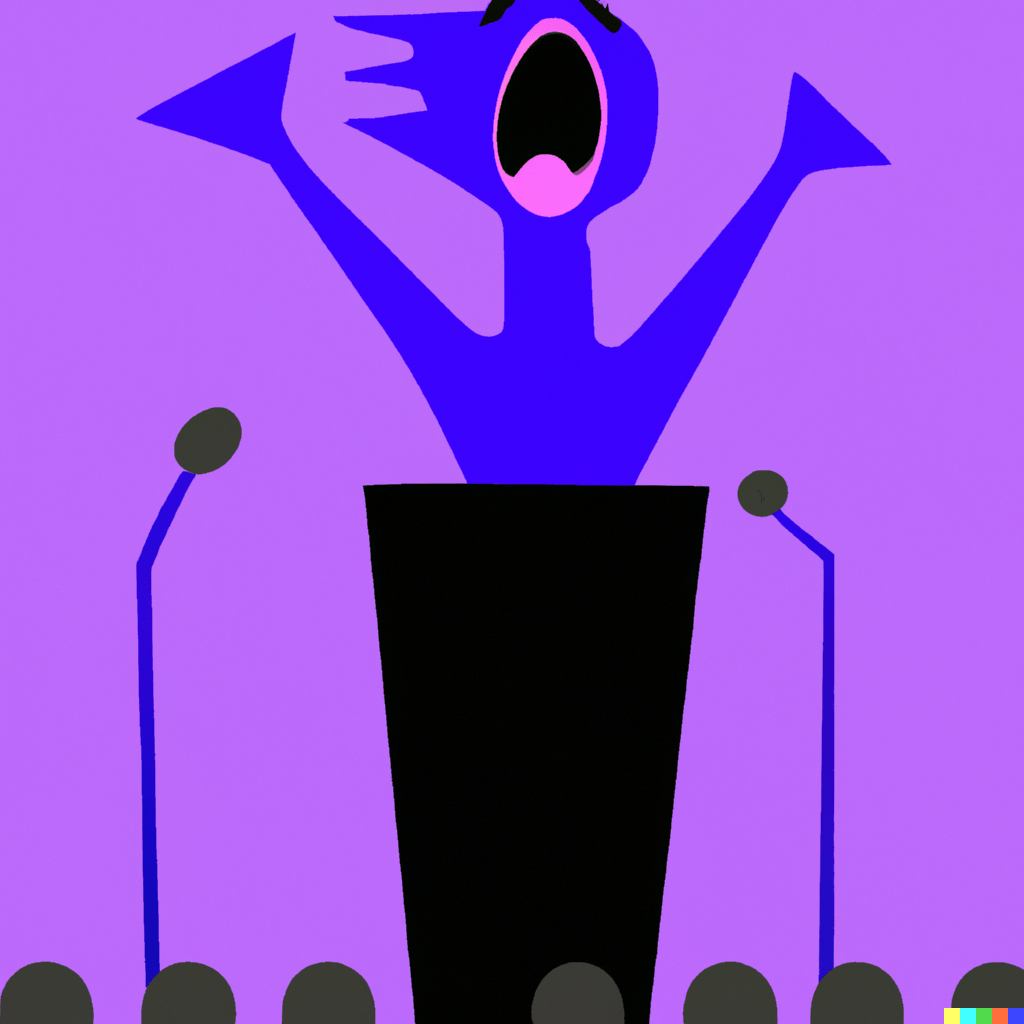
Let’s dive right into entry number four: UNPRECEDENTED.
First, we break down the word into its component parts:
- UN: this commonly used prefix in the English language means “not,” and serves to reverse or negate the word to which it is attached.
- PRECEDENT: something from the past which serves as a marker, guide or justification for something happening in the present.
We usually see the word “precedent” used in terms of the legal system (which we may erroneously refer to as the “justice system,” a topic for a future entry), and it’s related to how a past case was adjudicated. That decision having been made, it then serves as a crutch on which to prop other decisions of a similar, or at least connected, nature.
Combining “precedented” with the prefix “un-” therefore means something has never happened before in known history.
Modern usage has taken to equating unprecedented with unusual, out of the ordinary, spectacular or even simply really, really interesting. This is obviously incorrect. My experience has been seeing this used in newsertainment (a word I made up, maybe it will catch on) to generate clicks/views and build hype for the platform on which the information appears. It is of course a shoddy use of the English language, something in which no true journalist should ever be complicit. The upside is for many of us, it makes it quite obvious who is a journalist and who is not.
If what you refer to has ever happened before, then this new thing you’re talking about is not unprecendented. For example, the U.S. Supreme Court overturning Roe in 2022 was not unprecedented, because the U.S. Supreme Court has on a number of occasions overturned previous rulings. This specific instance was shocking to many in the United States, but it certainly was not unprecedented.
In fact, the U.S. Supreme Court has a long record of overturning cases, both landmark and mundane, dating back to 1810, when the justices overturned Rose v. Himely, which when decided in 1808 established that an American court could affect the jurisdiction of an American being tried by a foreign court. It had to do with an American arrested by the French in near proximity to the U.S. coast—two leagues, or about six miles at the time. This was before international agreements established a country’s territorial waters as extending to about 12 nautical miles (approximately 22 kilometers or 14 miles) from its coast.
Since then, the U.S. Supreme Court has overturned hundreds of decisions, which means them continuing to do so is absolutely not unprecedented.
To recap:
*** Unprecedented, modern usage: A surprising, exciting or controversial thing to happen.
*** Unprecedented, actual meaning: Something which has never happened before.
The next time you call something unprecedented, take a moment and think about what you really mean and what you’re really trying to say. Be precise in your word choices.
It matters…because WORDS MEAN THINGS.

 Words Mean Things
Leave a comment